
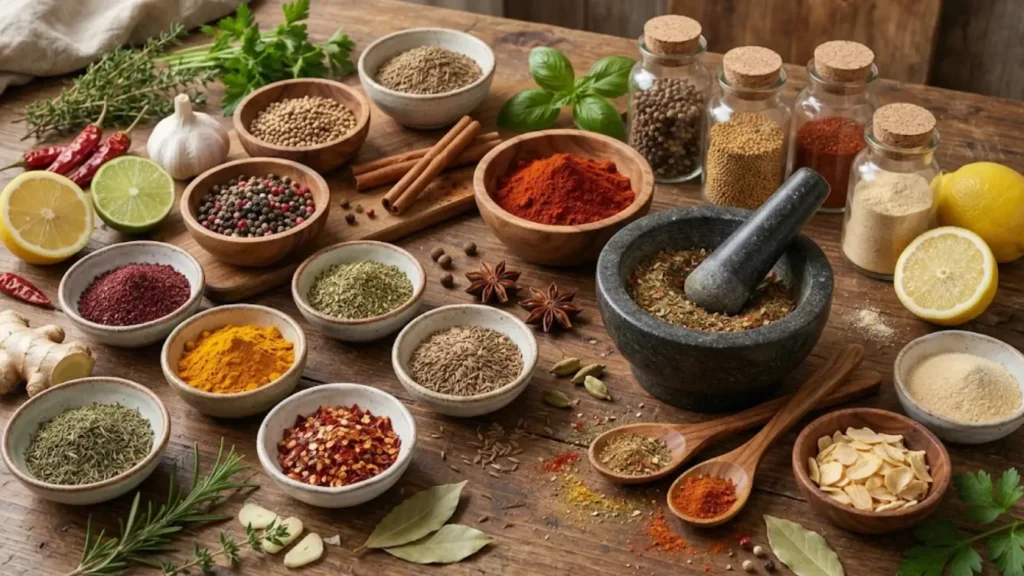
What Are Salt-Free Seasonings?
Salt-free seasonings are spice and flavor blends made without added sodium chloride. They build taste with herbs, spices, acids, heat, aroma and umami instead of salt. They are growing because health authorities, regulators and shoppers all want less sodium, and better spice technology now lets food makers cut salt without making food taste flat.
Salt has been the default flavor booster for centuries. It sharpens taste, balances bitterness and makes snacks feel satisfying. But most people eat far more of it than they need, and much of it comes from packaged and processed foods rather than the salt shaker.
That gap is creating a new category. Home cooks want blends they can shake on freely. Snack and food manufacturers want seasonings that hit sodium targets and still sell. This guide explains why the shift is happening, how flavor works without salt, and how to use salt-free and reduced-sodium seasonings well.
Why Salt-Free Seasonings Are Rising
Three forces are pushing sodium down at the same time: health guidance, regulation and consumer demand.
1. Health Guidance
The World Health Organization (WHO) recommends adults eat less than 5 g of salt a day, which is about 2,000 mg of sodium. Average intake in most countries is well above that. High sodium intake is a leading dietary driver of high blood pressure, which raises the risk of heart disease and stroke.
2. Regulation and Reformulation Targets
Many governments now set voluntary or mandatory sodium targets for packaged foods. Front-of-pack warning labels for high salt are spreading. For snack makers, this turns sodium from a recipe choice into a compliance and brand-risk issue.
3. Consumer Demand
Shoppers read labels more closely. “Low sodium”, “no added salt” and “clean label” claims attract health-focused buyers, people managing blood pressure and parents choosing snacks for children. They still expect bold taste, so flavor has to carry the product.
The result: brands that can deliver strong flavor with less sodium have a clear advantage.
How Do You Get Flavor Without Salt?
You replace salt’s job, not just its taste. Salt boosts overall flavor, so a salt-free seasoning works by stacking other signals that make the tongue and nose register “full flavor”. Five levers do most of the work:
| Flavor lever | What it does | Common sources |
| Acidity | Brightens food and mimics salt’s “sharp” lift | Lemon, lime, tomato powder, citric acid, amchur |
| Heat | Triggers a tingling sensation that reads as intensity | Chilli, capsicum, jalapeno, habanero, black pepper |
| Aroma | Most flavor is smell; strong aroma makes food taste richer | Garlic, onion, coriander, cardamom, cumin, herbs |
| Umami | Adds savory depth and roundness | Tomato, mushroom, cheese, yeast extract, seaweed |
| Richness | Fat and dairy notes carry flavor and fill the mouth | Butter, cheese powders, cream notes |
Why Spice Oleoresins Matter
Spice oleoresins are concentrated extracts that capture a spice’s flavor, aroma and color in liquid form. Because they are standardized and potent, a small dose delivers consistent heat or aroma in every batch. That makes them a practical tool for reduced-sodium recipes, where every other flavor signal has to work harder.
For example, Capsicum Oleoresin delivers controlled heat, Black Pepper Oleoresin adds pungent warmth, and Garlic Oleoresin adds savory aroma that helps cover the “missing salt” gap.
Which Flavor Profiles Work Best With Less Salt?
Bold profiles built on acid, heat and aroma cope best with lower sodium, because they give the palate plenty to notice. The BioMasdar snack seasoning range shows how these levers combine:
| BioMasdar seasoning | Main flavor levers | Why it suits lower-sodium recipes |
| Lemon Chilli Seasoning | Acid + heat | Citrus and chilli together create a sharp, salty-like lift |
| Lime Jalapeno Seasoning | Acid + green heat | Lime brightness with fresh jalapeno warmth |
| Lime Tomato Seasoning | Acid + umami | Tangy lime with savory tomato depth |
| Tomato Jalapeno Seasoning | Umami + heat | Tomato roundness balanced by mild chilli |
| Peri Peri Seasoning | Heat + acid + aroma | Layered African-style chilli, citrus and garlic notes |
| Habanero Flavor Seasoning | Intense heat + fruitiness | Strong heat signal lets snacks taste bold |
| Hot and Spicy Seasoning | Heat + aroma | Classic spice punch for chips and namkeen |
| Cheese Jalapeno Seasoning | Richness + heat | Dairy body carries flavor; jalapeno adds kick |
| Butter Cheese Seasoning | Richness + umami | Creamy, savory notes fill the mouth |
| Butter Chicken Seasoning | Aroma + richness | Warm South Asian spices with buttery depth |
Behind these blends, BioMasdar’s spice oleoresins (Black Pepper, Capsicum, Cardamom, Garlic and Coriander) supply concentrated heat and aroma that food makers can use to strengthen flavor while working toward lower sodium.
Note: check each product’s specification sheet for its exact sodium content before making any label claim.
Salt-Free vs Low-Sodium vs Regular Seasoning
Salt-free means no added salt; low-sodium means reduced salt; regular seasoning uses salt as a main carrier of flavor.
| Factor | Salt-free seasoning | Low/reduced-sodium seasoning | Regular seasoning |
| Added salt | None | Less than a standard recipe | Yes, often a major ingredient |
| Flavor built on | Spices, acid, heat, aroma, umami | Mix of reduced salt + flavor boosters | Mostly salt + spices |
| Best for | Low-sodium diets, free sprinkling at home | Snacks and packaged foods meeting sodium targets | Traditional recipes |
| Taste challenge | Needs strong, layered flavor | Must hide the salt drop | Low |
| Label claim | “No added salt” (rules vary by country) | “Reduced sodium” / “low sodium” (thresholds vary) | None |
Label terms are legally defined in many markets, so confirm local food labeling rules before using any sodium claim.
How Can Snack Manufacturers Reduce Sodium Without Losing Flavor?
Cut salt in small steps and rebuild flavor with acid, heat and aroma at each step. A practical process:
- Set a sodium target. Use your market’s labeling thresholds or national reformulation targets as the goal.
- Reduce gradually. Lower salt in stages of roughly 10–15% so regular customers barely notice each change.
- Boost flavor signals. Add citrus, tomato, chilli or garlic notes to fill the gap. Profiles like Lemon Chilli or Peri Peri are naturally suited to this.
- Use standardized extracts. Spice oleoresins such as Capsicum or Black Pepper give the same heat and aroma in every batch, which matters when salt no longer masks variation.
- Check adhesion and coverage. Salt helps seasoning stick and spread on chips. Test oil level and tumbling so the new blend coats evenly.
- Run sensory panels. Compare against the original with real consumers, not only the R&D team.
- Verify and label. Lab-test the final sodium level before printing any claim.
Working with a seasoning supplier early saves trial batches. BioMasdar’s range of snack seasonings and oleoresins gives formulators flavor-forward building blocks for this kind of project.
How to Use Salt-Free Seasonings at Home
Add seasoning at the end of cooking, pair it with an acid, and taste before reaching for salt.
- Finish, don’t just start. Aroma fades with long cooking, so sprinkle a final pinch just before serving.
- Add a squeeze of lemon or lime. Acid makes food taste saltier than it is.
- Toast whole spices. Dry-roasting cumin, coriander or pepper releases more aroma.
- Use heat wisely. A little chilli or black pepper boosts intensity without sodium.
- Try it on snacks. Toss home-made chips, popcorn, roasted chickpeas or makhana with a bold seasoning and a light coat of oil.
- Retrain your palate. Taste buds adjust to lower salt in a few weeks, after which salty food can taste too strong.
If you are on a sodium-restricted diet for a medical reason, check labels carefully and follow your doctor’s or dietitian’s advice.
Salt-Free Seasoning Trends to Watch
The biggest trends are global heat, citrus-led blends and clean-label spice extracts.
- Global chilli profiles. Peri peri, habanero and jalapeno flavors keep growing because heat delivers intensity without sodium.
- Citrus-forward blends. Lemon and lime pairings are becoming the go-to “salt mimic” in snacks.
- Regional comfort flavors. Profiles such as butter chicken bring familiar South Asian taste to chips and namkeen.
- Clean-label extracts. Natural spice oleoresins are replacing artificial flavor boosters on ingredient lists.
- Better-for-you snacking. Baked, air-popped and pulse-based snacks need seasonings that perform with less fat and less salt.
Common Myths About Salt-Free Seasonings
| Myth | Fact |
| Salt-free food tastes bland | Layered acid, heat and aroma can make it taste bold |
| Sea salt or pink salt is a low-sodium option | They contain about the same sodium as table salt by weight |
| Low-sodium means no sodium | It means reduced sodium; check the label for the actual amount |
| Only people with health issues need less salt | Most adults eat more than the WHO-recommended limit |
Essential Questions to Consider
Q1. What is a salt-free seasoning?
A salt-free seasoning is a blend of herbs, spices and flavorings with no added salt. It builds taste through acid, heat, aroma and umami instead of sodium.
Q2. Why are salt-free seasonings popular?
They are popular because health guidance, sodium regulations and label-reading shoppers are all pushing for less salt, while consumers still want bold flavor.
Q3. How much sodium should an adult eat per day?
The WHO recommends less than 5 g of salt per day for adults, which equals about 2,000 mg of sodium.
Q4. What can replace salt in seasoning?
Lemon, lime, tomato, chilli, black pepper, garlic, onion, herbs and umami ingredients such as cheese or tomato powder can replace much of salt’s flavor role.
Q5. Do salt-free seasonings taste good on chips and snacks?
Yes. Bold profiles like lemon chilli, peri peri or lime jalapeno work well because acid and heat give the strong flavor hit people expect from snacks.
Q1. What are spice oleoresins?
Spice oleoresins are concentrated liquid extracts of spices that carry their flavor, aroma and color. Food makers use them for consistent, strong taste in small doses.
Q6. Is low-sodium the same as salt-free?
No. Salt-free means no added salt. Low or reduced sodium means less salt than a standard product, but some sodium is still present.
Q7. Is sea salt healthier than table salt?
Not for sodium. Sea salt and pink salt contain about the same sodium as table salt by weight.
Q8. How can snack brands reduce sodium without losing sales?
They can lower salt gradually, rebuild flavor with acid, heat and aroma, use standardized spice extracts, and test the result with real consumers.
What Comes Next?
Salt-free and reduced-sodium seasonings are no longer a niche health product. They sit where health guidance, regulation and consumer taste meet. The brands that win will not simply remove salt; they will replace its job with smart layers of acid, heat, aroma and umami.
For home cooks, that means bolder blends and a squeeze of citrus. For snack makers, it means gradual reformulation, consistent spice extracts and careful testing. Either way, less sodium no longer has to mean less flavor.
Ready to Build a Bolder Flavor With Less Salt?
Explore BioMasdar’s snack seasonings, from Lemon Chilli and Peri Peri to Cheese Jalapeno and Butter Chicken, along with our Capsicum, Black Pepper, Garlic, Coriander and Cardamom oleoresins. Contact the BioMasdar team to request samples or discuss the flavor profile and sodium target for your next product.