
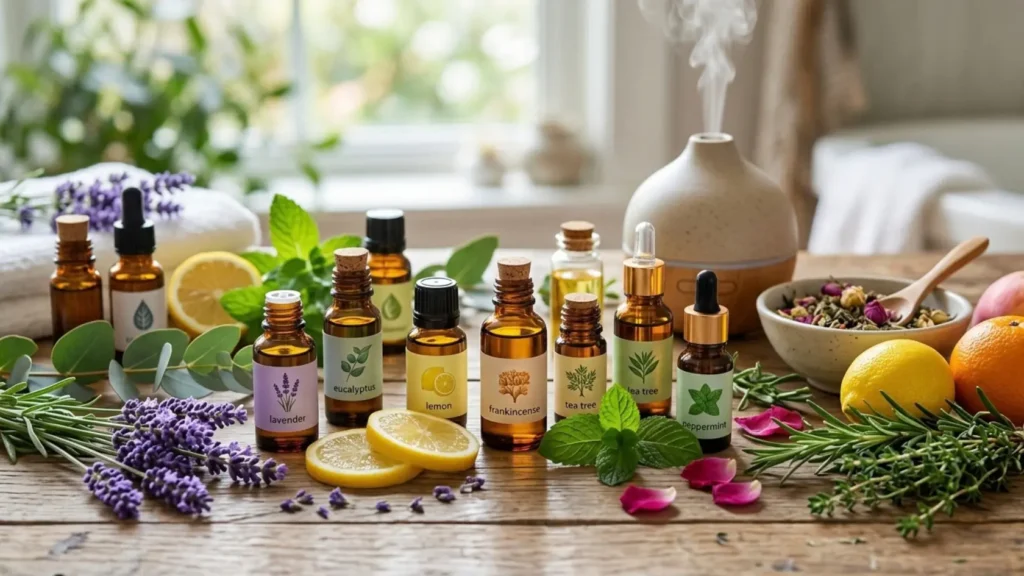
Essential oils have moved far beyond spa shelves and candle aisles. Today they are core raw materials in food manufacturing, cosmetic formulation, pharmaceuticals, and industrial production. Yet most people searching “essential oil” still aren’t sure what it actually is, how it’s made, or how to tell a pure oil from a synthetic imitation.
This guide answers every major question people ask about essential oils – what they are, how they’re extracted, their real (evidence-based) benefits, how they differ from fragrance and carrier oils, and how manufacturers and formulators can source them in bulk from a reliable, quality-tested supplier.
What Is Essential Oil?
An essential oil is a concentrated, volatile aromatic compound extracted from the leaves, flowers, seeds, bark, roots, or peels of a plant, capturing that plant’s natural scent, flavor, and bioactive properties.
Unlike vegetable or carrier oils, essential oils are not “oily” in texture – they’re highly concentrated, evaporate quickly (which is why they’re called “volatile”), and carry the distinctive fragrance of their source plant. A single drop of true essential oil can represent the extract of several grams, or even kilograms, of raw plant material.
Essential oils are considered natural, plant-based ingredients and are widely used as functional additives in food, cosmetic, pharmaceutical, and industrial products – not just for scent, but for flavor, color, preservation, and active bioactivity.
How Are Essential Oils Made? (Extraction Methods)
The extraction method used directly affects an essential oil’s purity, potency, and suitability for different applications. There are four primary methods:
Steam Distillation
The most common method. Steam is passed through plant material, causing volatile aromatic compounds to evaporate. The steam and oil vapor are then cooled and condensed, separating the essential oil from the water (hydrosol). This method is used for oils like lavender, peppermint, eucalyptus, and tea tree.
Cold Pressing (Expression)
Used mainly for citrus oils (orange, lemon, bergamot). The peel is mechanically pressed to release the oil without heat, preserving delicate, heat-sensitive aromatic compounds.
CO2 Extraction
Pressurized carbon dioxide is used as a solvent to pull aromatic compounds from plant material at low temperatures. This produces a highly pure, potent oil, often used for premium or heat-sensitive botanicals.
Solvent Extraction
Chemical solvents extract oils from delicate plant material (like jasmine) that can’t withstand steam distillation. The result, before final purification, is called a “concrete” or “absolute.”
Types of Essential Oils and Their Entities
Essential oils are generally grouped by their plant source and dominant application. Understanding these categories helps buyers and formulators identify the right oil for their product.
Aromatic & Floral Essential Oils
Lavender, rose, jasmine, and ylang-ylang fall into this category. They’re primarily used in perfumery, cosmetics, and aromatherapy for their fragrance and calming associations.
Herbal & Culinary Essential Oils
Peppermint, rosemary, basil, and oregano oils are used across food flavoring, nutraceuticals, and personal care for both their aroma and functional properties like flavor intensity.
Spice-Derived Essential Oils (Chilli Seed Oil Spotlight)
Spice-based essential oils are a fast-growing category in food manufacturing because they deliver concentrated, consistent flavor and color that raw spices can’t match at industrial scale.
Chilli seed oil is a prime example. It’s a concentrated extract derived from chilli seeds, valued for its vibrant color, strong aroma, and intense, consistent heat. Because it’s concentrated, manufacturers can dose it precisely – achieving uniform spice levels across large production batches of sauces, seasonings, snacks, and pickles, something that’s difficult to guarantee with raw chilli powder. BioMasdar’s chilli seed oil is supplied in bulk for exactly this kind of industrial food application, offering food manufacturers a reliable, cost-effective way to add authentic chilli character to their products.
What Are Essential Oils Used For?
Aromatherapy & Wellness
Essential oils are diffused, inhaled, or diluted in carrier oils for relaxation, mood support, and sleep environments. Popular choices include lavender (calming), peppermint (alertness), and eucalyptus (respiratory comfort).
Cosmetics & Personal Care
Formulators use essential oils in soaps, lotions, shampoos, and perfumes for natural fragrance and functional skin benefits like tea tree’s clarifying properties or citrus oils’ brightening scent profile.
Food & Beverage Flavoring
Essential oils provide concentrated, consistent flavor for sauces, beverages, confectionery, and snacks – critical for large-scale food production where taste uniformity matters batch after batch.
Pharmaceutical & Nutraceutical Applications
Certain essential oils are used as active or supporting ingredients in topical formulations, capsules, and functional health products, valued for their natural origin and bioactive compounds.
Industrial & Household Uses
Essential oils also appear in natural cleaning products, air fresheners, and pest-deterrent formulations due to their strong aromatic and antimicrobial properties.
Essential Oil vs. Fragrance Oil vs. Carrier Oil
A common point of confusion – here’s a direct comparison:
| Feature | Essential Oil | Fragrance Oil | Carrier Oil |
| Source | Extracted directly from plants | Synthetic or blended (lab-made) | Pressed from seeds/nuts (e.g., jojoba, coconut) |
| Concentration | Highly concentrated, volatile | Varies, often diluted with synthetics | Not concentrated; used to dilute |
| Purpose | Aroma + functional/bioactive properties | Scent only | Dilutes essential oils for safe skin use |
| Evaporation | Evaporates (volatile) | May or may not evaporate | Does not evaporate |
| Typical Use | Aromatherapy, food, cosmetics, pharma | Perfumes, candles, air fresheners | Massage oils, skincare bases |
How to Choose a Pure, High-Quality Essential Oil
Not all essential oils sold on the market are pure. Here’s what to check before buying, especially for commercial or manufacturing use:
- Botanical (Latin) name – A genuine supplier lists the exact plant species, not just a common name.
- Extraction method disclosed – Reputable suppliers state whether the oil is steam-distilled, cold-pressed, or CO2-extracted.
- No additives or dilution – Pure essential oils should not contain carrier oils, alcohol, or synthetic fillers unless explicitly labeled as a blend.
- Batch testing and certifications – Look for suppliers who provide quality, safety, or halal/food-grade certifications, especially for food and pharma applications.
- Origin transparency – Reliable sourcing information (region, farming practice) is a strong quality indicator.
- Supplier reliability at scale – For manufacturers, consistent bulk supply and quality control across batches matters as much as purity in a single sample.
Essential Oil Safety Guidelines
- Never apply undiluted essential oil directly to skin; dilute with a carrier oil first.
- Perform a patch test before topical use to check for sensitivity.
- Keep essential oils away from children and pets.
- Consult a healthcare professional before using essential oils during pregnancy or with existing medical conditions.
- Avoid ingesting essential oils unless the product is specifically certified food-grade and used within recommended limits.
- Store oils in dark glass bottles, away from heat and direct sunlight, to preserve potency.
Where to Buy Bulk Essential Oils
For businesses in food, cosmetic, pharmaceutical, and nutraceutical manufacturing, sourcing essential oils individually or from inconsistent suppliers creates quality and supply-chain risk. This is where a dedicated bulk supplier becomes essential.
BioMasdar supplies pure, plant-derived essential oils in bulk for food, cosmetic, and aromatherapy applications. As a Pakistan-based biotechnology company working with local raw materials, BioMasdar’s essential oils range – including its concentrated chilli seed oil – is built for manufacturers who need consistent quality, precise dosing, and reliable supply at industrial volume, rather than single retail bottles. This makes BioMasdar a practical sourcing partner for brands and producers who require dependable, quality-controlled essential oils batch after batch.
Have Questions? Start Here
Q1. What is essential oil made of?
Essential oil is made of concentrated volatile aromatic compounds extracted from a plant’s leaves, flowers, seeds, bark, or peel, most commonly through steam distillation or cold pressing.
Q2. Are essential oils safe to use directly on skin?
No. Pure essential oils are highly concentrated and should be diluted with a carrier oil, such as jojoba or coconut oil, before topical application to avoid skin irritation.
Q3. What is the difference between essential oil and fragrance oil?
Essential oil is naturally extracted from plants and carries functional aromatic properties, while fragrance oil is typically synthetic or blended in a lab purely for scent, with no natural extraction process.
Q4. Can essential oils be used in food products?
Yes, certain essential oils, such as chilli seed oil, peppermint, and citrus oils, are used in food manufacturing to add consistent flavor, color, and aroma, provided they are food-grade certified.
Q5. How long do essential oils last?
Most essential oils last one to three years when stored properly in dark, airtight containers away from heat and sunlight; citrus oils tend to have a shorter shelf life than woody or floral oils.
Q6. What is the strongest essential oil for pain relief?
Peppermint and eucalyptus oils are commonly used for their cooling and soothing sensation when diluted and applied topically, though effectiveness varies by individual and formulation.
Q7. Where can I buy pure essential oils in bulk?
Manufacturers and formulators can source pure, bulk-grade essential oils from specialized suppliers like BioMasdar, which provides plant-derived oils for food, cosmetic, and industrial applications.
Q8. Is chilli seed oil an essential oil?
Yes, chilli seed oil is a concentrated extract from chilli seeds, classified within the essential oils category and widely used for adding heat, color, and flavor in food manufacturing.
Final Thoughts
Essential oils are far more than a wellness trend – they’re concentrated, plant-derived ingredients with real functional value across aromatherapy, cosmetics, food manufacturing, and pharmaceuticals. Understanding how they’re extracted, what separates a pure oil from a diluted or synthetic one, and how to apply them safely puts both everyday users and industrial buyers in a stronger position to choose the right product.
For businesses that need essential oils not just occasionally but consistently and at scale, quality and supply reliability become just as important as purity. That’s the gap a dedicated bulk supplier like BioMasdar is built to fill.
Looking for pure, bulk-grade essential oils for your food, cosmetic, or industrial production? Explore BioMasdar’s essential oils range, including premium chilli seed oil, or contact BioMasdar directly to request samples, pricing, and bulk supply details.