
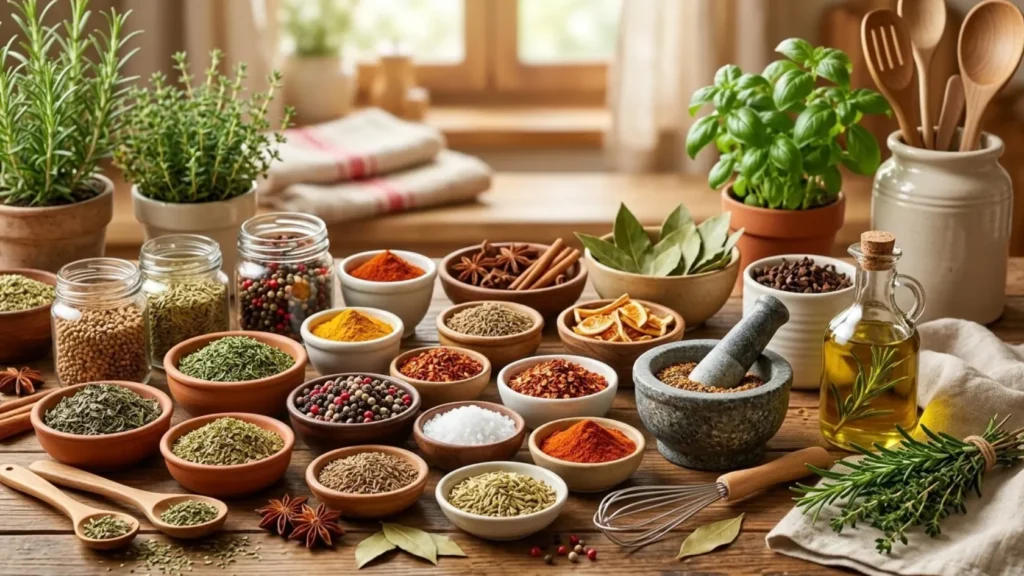
Seasoning is the difference between a dish that’s edible and one that’s memorable. Whether you’re a home cook trying to fix a bland curry or a food manufacturer formulating the next bestselling snack flavor, understanding what seasoning is, how it works, and how to choose the right one is a foundational culinary skill.
This guide answers every major question people ask about seasoning – from the basic definition to advanced formulation tips – in a format designed to give you a complete, standalone answer. Along the way, we’ll show real-world examples using ready-made seasoning blends from BioMasdar, a Pakistan-based biotechnology company that manufactures natural seasoning blends, oleoresins, and flavor ingredients for the food industry.
What Is Seasoning?
Seasoning is any ingredient or combination of ingredients – including salt, spices, herbs, and flavor extracts – added to food to enhance, balance, or intensify its natural taste. Seasoning can be a single ingredient (like salt or black pepper) or a pre-mixed blend formulated to deliver a specific flavor profile, such as butter chicken, peri-peri, or lemon chilli.
Unlike spices or herbs alone, “seasoning” is a broader culinary term. It refers to the act of flavoring food as well as the product used to do it – for example, a jar labeled “Hot and Spicy Seasoning” is a pre-blended seasoning product, ready to sprinkle, marinate, or coat.
Seasoning vs. Spices vs. Herbs: What’s the Difference?
People often use these words interchangeably, but they are distinct culinary categories:
| Term | Definition | Example |
| Spice | A dried part of a plant (root, bark, seed, or fruit) used for flavor | Cumin, cinnamon, paprika |
| Herb | The leafy, green part of a plant, usually fresh or dried | Basil, oregano, thyme |
| Seasoning | Any ingredient (or blend of ingredients) – including salt, spices, herbs, and flavor extracts – used to enhance a dish’s overall taste | Lemon Chilli Seasoning, Butter Cheese Seasoning |
In short: all spices and herbs can be used as seasoning, but not all seasoning is made of spices or herbs. Seasoning is the umbrella category; spices and herbs are two of its main ingredients, alongside salt, sugar, acids, and flavor compounds.
Why Seasoning Matters: The Role of Seasoning in Cooking
Seasoning does more than add heat or saltiness. A well-formulated seasoning blend performs several functions at once:
- Enhances natural flavor – brings out the inherent taste of proteins, vegetables, and grains without masking them.
- Balances the five basic tastes – sweet, salty, sour, bitter, and umami – so a dish feels complete rather than one-dimensional.
- Adds aroma – volatile oils in spices and herbs stimulate smell, which accounts for most of what we perceive as “flavor.”
- Creates consistency – pre-made seasoning blends allow home cooks, restaurants, and manufacturers to replicate the exact same taste every time.
- Extends shelf life – many traditional seasonings (salt, chili, garlic) have natural antimicrobial properties.
- Builds brand identity – for food businesses, a signature seasoning blend (like a proprietary peri-peri or butter chicken mix) becomes a recognizable product differentiator.
Main Types of Seasoning
Seasoning can be grouped into several practical categories based on how it’s used:
1. Dry Rub Seasonings
Blended dry spices and herbs applied directly to the surface of meat, poultry, or vegetables before cooking. Common in grilling, roasting, and barbecue. Example: Hot and Spicy Seasoning or Habanero Flavor Seasoning.
2. Marinade-Based Seasoning
Seasoning blends combined with oil, yogurt, or acid (lemon, vinegar) to tenderize and infuse flavor over time. Ideal for chicken, beef, and seafood. Example: Butter Chicken Seasoning or Lemon Chilli Seasoning.
3. Coating & Dusting Seasoning
Fine seasoning powders used to coat fried snacks, chips, popcorn, and fast-food products after cooking. This is a major application in the snack food and fried products industry. Example: Cheese Jalapeno Seasoning or Tomato Jalapeno Seasoning.
4. Table & Finishing Seasoning
Seasonings added at the very end of cooking or at the table to add a fresh flavor “pop.” Example: Lime Jalapeno Seasoning or Lime Tomato Seasoning.
5. Regional & Flavor-Profile Blends
Seasonings modeled on specific global cuisines or flavor trends. Example: Peri Peri Seasoning, a Portuguese-African-inspired chili blend popular in grilled chicken and fries.
How to Choose the Right Seasoning for Your Dish
Choosing seasoning isn’t guesswork – it follows a few practical principles:
- Match the base flavor of the dish. Rich, fatty dishes (butter chicken, grilled cheese) pair well with warm, creamy seasoning blends. Fried and crunchy snacks pair well with tangy or spicy coating seasonings.
- Consider heat tolerance. Habanero and hot-and-spicy blends deliver high heat, while lemon chilli or lime-based blends offer milder, tangier profiles.
- Think about the application method. Dry rubs work best on raw proteins before cooking; dusting seasonings work best on fried or baked products right after cooking, while the surface is still slightly oily so the powder adheres.
- Check the ingredient list for quality and safety. Look for seasoning made with natural ingredients, free from harmful fillers, and produced under recognized food safety standards (such as Halal certification for markets where this matters).
- Test in small batches first. Especially for food manufacturers, always trial a new seasoning on a small production run before scaling up.
Seasoning in Food Manufacturing: What Businesses Should Know
For food businesses – snack manufacturers, restaurants, and QSR chains – seasoning is a critical formulation ingredient, not just a garnish. Key considerations include:
- Consistency at scale: A commercial seasoning supplier must deliver the same flavor profile in every batch, whether it’s 1 kg or 1,000 kg.
- Natural sourcing: Increasingly, brands prefer seasoning made from natural spice extracts and oleoresins rather than synthetic flavor compounds.
- Custom formulation: Many manufacturers work with a seasoning supplier to create a proprietary blend exclusive to their brand.
- Compliance: Seasoning used in commercial food production should meet food safety and halal compliance standards relevant to the target market.
Companies like BioMasdar specialize in producing natural seasoning blends and flavor ingredients – including oleoresins, spice extracts, and pre-formulated seasoning powders – for food manufacturers, snack producers, and the hospitality industry across Pakistan and beyond. Their seasonings range includes ready-to-use blends such as butter cheese, butter chicken, cheese jalapeno, habanero, hot and spicy, lemon chilli, lime jalapeno, lime tomato, peri peri, and tomato jalapeno seasoning – covering the most common flavor demands in savory snacks, fried foods, and grilled proteins.
Popular Seasoning Blends and Their Best Uses
| Seasoning Blend | Flavor Profile | Best For |
| Butter Cheese Seasoning | Rich, creamy, savory | Popcorn, fries, pasta |
| Butter Chicken Seasoning | Warm, buttery, mildly spiced | Chicken, curries, marinades |
| Cheese Jalapeno Seasoning | Cheesy with a spicy kick | Chips, nachos, snack coatings |
| Habanero Flavor Seasoning | Fruity, intense heat | Grilled meats, hot sauces |
| Hot and Spicy Seasoning | Bold, peppery heat | Fried chicken, wings, snacks |
| Lemon Chilli Seasoning | Tangy and mildly spicy | Seafood, grilled vegetables |
| Lime Jalapeno Seasoning | Zesty, citrusy heat | Tacos, chips, salads |
| Lime Tomato Seasoning | Tangy, savory, fresh | Snacks, dips, grilled corn |
| Peri Peri Seasoning | Smoky, spicy, tangy | Grilled chicken, fries |
| Tomato Jalapeno Seasoning | Savory, spicy, tomato-forward | Chips, sauces, rice dishes |
Let’s Answer Your Questions
Q1. What is the difference between seasoning and flavoring?
Seasoning refers to ingredients – like salt, spices, herbs, or blends – added to enhance a food’s existing taste, while flavoring typically refers to a concentrated substance (natural or artificial) added specifically to impart a particular taste, such as vanilla or cheese flavoring, and is used in much smaller quantities.
Q2. Is salt considered a seasoning?
Yes. Salt is one of the most basic and widely used seasonings. It enhances flavor perception, balances sweetness and bitterness, and is a core ingredient in nearly every seasoning blend.
Q3. What are the 5 basic seasonings used in cooking?
The five foundational seasonings most cuisines rely on are salt, pepper, garlic, onion, and chili. These form the base of countless seasoning blends before other herbs, spices, and flavor extracts are added.
Q4. How do I make food taste better with seasoning?
Season in layers throughout cooking rather than only at the end, taste as you go, balance salt with acid (like lemon or vinegar), and use a pre-blended seasoning for consistent results if you’re short on time or experience.
Q5. What is seasoning powder made of?
Seasoning powder is typically made from a combination of dried spices, herbs, salt, sugar, flavor extracts or oleoresins, and sometimes natural or nature-identical flavor compounds, blended into a fine, shelf-stable powder for easy application.
Q6. Can seasoning go bad or expire?
Yes. Seasoning loses potency and aroma over time, especially if exposed to heat, light, or moisture. Most dry seasoning blends stay flavorful for 12–24 months when stored in a cool, dry, airtight container.
Q7. What’s the difference between a marinade and a seasoning?
A marinade is a liquid mixture – usually seasoning combined with oil and an acid – used to soak food before cooking, while seasoning itself can be used dry, wet, or as a finishing touch, with or without a liquid base.
Q8. Is seasoning healthy?
Many seasonings, especially those based on natural herbs and spices, offer antioxidant and anti-inflammatory properties. However, seasoning blends can be high in sodium, so it’s worth checking labels if you’re managing salt intake.
Q7. Where can I buy natural seasoning blends in Pakistan?
Natural, ready-to-use seasoning blends – including butter chicken, peri peri, and hot and spicy varieties – are available from Pakistani manufacturers such as BioMasdar, which supplies seasoning products for both retail and food-industry use.
The Bottom Line
Seasoning is far more than an afterthought sprinkled on at the end of cooking – it’s a defined culinary category that includes salt, spices, herbs, and formulated blends, each playing a specific role in building flavor, aroma, and consistency. Whether you’re seasoning a home-cooked meal or formulating a commercial snack product, understanding the types of seasoning and how to apply them correctly makes the difference between an average dish and a standout one.
For anyone looking for ready-made, natural seasoning blends – from rich butter chicken and buttery cheese profiles to bold peri-peri and habanero heat – BioMasdar’s seasoning range offers a reliable starting point, whether you’re cooking at home or sourcing at scale for food production.
Ready to elevate your dishes or your product line?
Explore BioMasdar’s full range of natural seasoning blends – including butter chicken, peri-peri, habanero, and lime jalapeno – and find the perfect flavor profile for your next recipe or product formulation. Contact BioMasdar today to request samples or discuss bulk and custom seasoning solutions.