
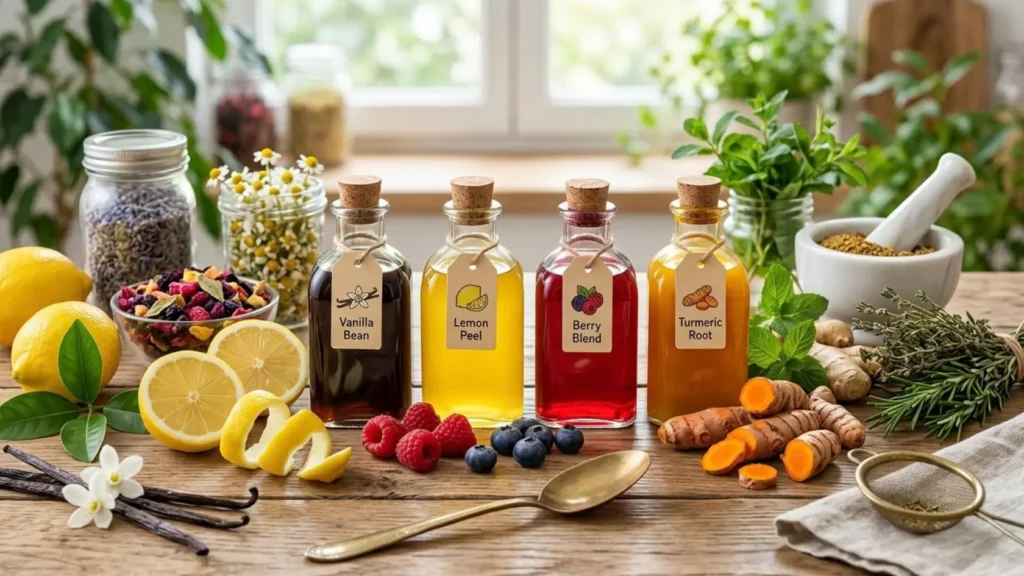
Natural food extracts are concentrated plant-derived ingredients used across the food, beverage, nutraceutical, cosmetic, and flavoring industries to deliver taste, aroma, color, and functional benefits without synthetic additives. As consumer demand shifts toward clean-label, minimally processed, and traceable ingredients, natural food extracts have become a cornerstone of modern food formulation.
This guide explains what natural food extracts are, how they’re made, the main categories available today, and how to choose the right extract supplier for consistent quality and compliance.
What Are Natural Food Extracts?
Natural food extracts are ingredients obtained directly from plants, fruits, vegetables, spices, or herbs through physical or natural extraction processes-such as cold pressing, steam distillation, solvent extraction, or dehydration-rather than chemical synthesis. Because they retain the natural compounds of the source material, they are widely used to enhance flavor, color, aroma, shelf stability, and nutritional value in finished products.
Unlike artificial additives, natural extracts are derived entirely from botanical or food-grade raw materials, making them suitable for clean-label formulations, organic product lines, and health-conscious consumer segments.
Why Natural Food Extracts Matter in Today’s Food Industry
- Clean-label demand: Consumers increasingly avoid products with synthetic additives, preservatives, and artificial flavors.
- Functional benefits: Many extracts carry antioxidant, antimicrobial, or nutritional properties beyond flavor.
- Regulatory alignment: Natural extracts often meet stricter food safety and labeling regulations more easily than synthetic alternatives.
- Sustainability: Extraction from whole plants and food byproducts supports circular, low-waste production models.
Main Categories of Natural Food Extracts
Natural food extracts span several distinct product categories, each suited to specific applications in food manufacturing, foodservice, and nutraceuticals. Below is a breakdown of the core categories, as offered by specialized manufacturers like BioMasdar.
1. Oleoresins
Oleoresins are concentrated extracts obtained from spices such as paprika, turmeric, black pepper, and chili, capturing both the flavor and color compounds of the original spice in a highly potent, standardized form. They’re widely used in processed foods, sauces, and seasoning blends where consistent flavor intensity and shelf stability are critical.
2. Essential Oils
Essential oils are volatile aromatic compounds extracted from herbs, spices, citrus peels, and botanicals, typically through steam distillation or cold pressing. In food applications, they deliver concentrated flavor and fragrance with minimal usage rates, making them cost-effective for beverages, confectionery, and baked goods.
3. Fried Products
Fried natural ingredients-such as fried onions, garlic, or vegetable-based products-retain natural flavor while adding texture and a savory profile to snacks, ready meals, and seasoning blends. These are processed under controlled conditions to preserve taste consistency and extend shelf life.
4. Cold Pressed Oils
Cold pressed oils are extracted mechanically without heat or chemical solvents, preserving the natural nutrients, flavor, and aroma of the source seed or fruit (such as sunflower, sesame, or olive). This method is favored for producing minimally processed, nutrient-retentive oils for culinary and nutraceutical use.
5. Pastes & Spreads
Natural pastes and spreads-made from ingredients like garlic, ginger, tomato, or fruit purees-offer concentrated flavor in a ready-to-use format for food manufacturers, reducing prep time while maintaining authentic taste profiles.
6. Dehydrated Fruits, Vegetables & Spices
Dehydration removes moisture from fruits, vegetables, and spices while preserving flavor, color, and nutritional value, extending shelf life significantly. These ingredients are used in snacks, soup mixes, seasoning blends, and instant food products.
7. Seasonings
Natural seasoning blends combine dehydrated herbs, spices, and extracts to create ready-to-use flavor systems for snacks, meats, and packaged foods, ensuring consistent taste across large-scale production.
8. Frozen Yoghurt Powders / Soft Serve Premix Powders
These specialized powders are formulated for the frozen dessert industry, offering a stable, easy-to-use base for soft serve and frozen yoghurt production with consistent texture, flavor, and shelf life.
How Natural Food Extracts Are Made
| Extraction Method | Process Overview | Best Suited For |
| Cold Pressing | Mechanical pressure extracts oils without heat | Cold pressed oils, citrus essential oils |
| Steam Distillation | Steam vaporizes aromatic compounds, then condenses them | Essential oils |
| Solvent Extraction | Food-grade solvents isolate flavor/color compounds | Oleoresins |
| Dehydration | Moisture removal via controlled drying | Dehydrated fruits, vegetables, spices |
| Frying/Thermal Processing | Controlled heat develops flavor and texture | Fried products |
Applications of Natural Food Extracts by Industry
- Food & Beverage Manufacturing: Flavoring sauces, snacks, beverages, and ready meals.
- Bakery & Confectionery: Essential oils and oleoresins for consistent aroma and taste.
- Nutraceuticals & Supplements: Cold pressed oils and dehydrated extracts valued for retained nutrients.
- Foodservice & QSR: Seasonings, pastes, and premix powders for standardized menu items.
- Frozen Desserts: Soft serve and frozen yoghurt premixes for consistent product quality.
Benefits of Choosing Natural Food Extracts Over Synthetic Alternatives
- Authentic flavor and aroma derived directly from source ingredients.
- Cleaner ingredient labels that align with consumer trust and regulatory trends.
- Higher nutrient retention, especially with cold-pressed and dehydrated products.
- Better traceability, since extracts originate from identifiable raw material sources.
- Versatility across categories-from oleoresins to frozen dessert premixes-supporting multiple product lines from a single supplier.
How to Choose a Natural Food Extract Supplier
When sourcing natural food extracts, food manufacturers should evaluate suppliers based on:
- Product range breadth – Can the supplier provide multiple extract categories (oils, oleoresins, pastes, powders) to simplify procurement?
- Quality certifications – Look for food safety standards, traceability documentation, and consistent batch testing.
- Customization capability – Ability to tailor concentration, particle size, or flavor intensity to specific formulations.
- Supply chain reliability – Consistent sourcing and stable pricing for large-scale production needs.
BioMasdar specializes in this full spectrum of natural food extracts-including oleoresins, essential oils, fried products, cold pressed oils, pastes & spreads, dehydrated fruits, vegetables & spices, seasonings, and frozen yoghurt/soft serve premix powders-offering food manufacturers a single, reliable source for clean-label ingredient solutions.
Common Questions, Answered
Q1. What are natural food extracts used for?
Natural food extracts are used to add flavor, aroma, color, and functional properties to food and beverage products, replacing synthetic additives with plant-derived alternatives in sauces, snacks, beverages, bakery items, and frozen desserts.
Q2. What is the difference between an oleoresin and an essential oil?
An oleoresin is a concentrated extract containing both the flavor and color compounds of a spice, typically obtained via solvent extraction, while an essential oil is a volatile aromatic compound extracted mainly through steam distillation, focused primarily on fragrance and flavor rather than color.
Q3. Are cold pressed oils healthier than refined oils?
Cold pressed oils are extracted without heat or chemical solvents, which helps preserve natural nutrients, antioxidants, and flavor compounds that can be reduced during high-heat refining processes.
Q4. How long do dehydrated fruits, vegetables, and spices last?
Dehydrated fruits, vegetables, and spices typically have a significantly longer shelf life than fresh produce-often 6 to 12 months or more-when stored in proper moisture-controlled packaging, due to the removal of water content that supports microbial growth.
Q5. Can natural food extracts be used in frozen desserts?
Yes, specialized products like frozen yoghurt powders and soft serve premix powders are natural extract-based formulations designed specifically to provide stable texture, flavor, and shelf life in frozen dessert applications.
Q6. Is BioMasdar a manufacturer or supplier of natural food extracts?
BioMasdar offers a comprehensive range of natural food extract categories-including oleoresins, essential oils, cold pressed oils, pastes & spreads, dehydrated produce, seasonings, and frozen dessert premixes-serving food manufacturers seeking clean-label ingredient solutions.
Let’s Wrap It Up
Natural food extracts have moved from a niche clean-label trend to a mainstream requirement for food manufacturers aiming to meet consumer demand for authentic, traceable, and minimally processed ingredients. From oleoresins and essential oils to cold pressed oils, dehydrated produce, and frozen dessert premixes, each category serves a distinct formulation need-and sourcing them from a single, quality-focused supplier simplifies procurement while ensuring consistency across product lines.
Ready to Source Premium Natural Food Extracts?
Explore BioMasdar’s full range of natural food extracts-from oleoresins and essential oils to cold pressed oils and frozen dessert premixes-and partner with a supplier built for consistency, traceability, and clean-label quality. Contact BioMasdar today to request samples or a product catalog.